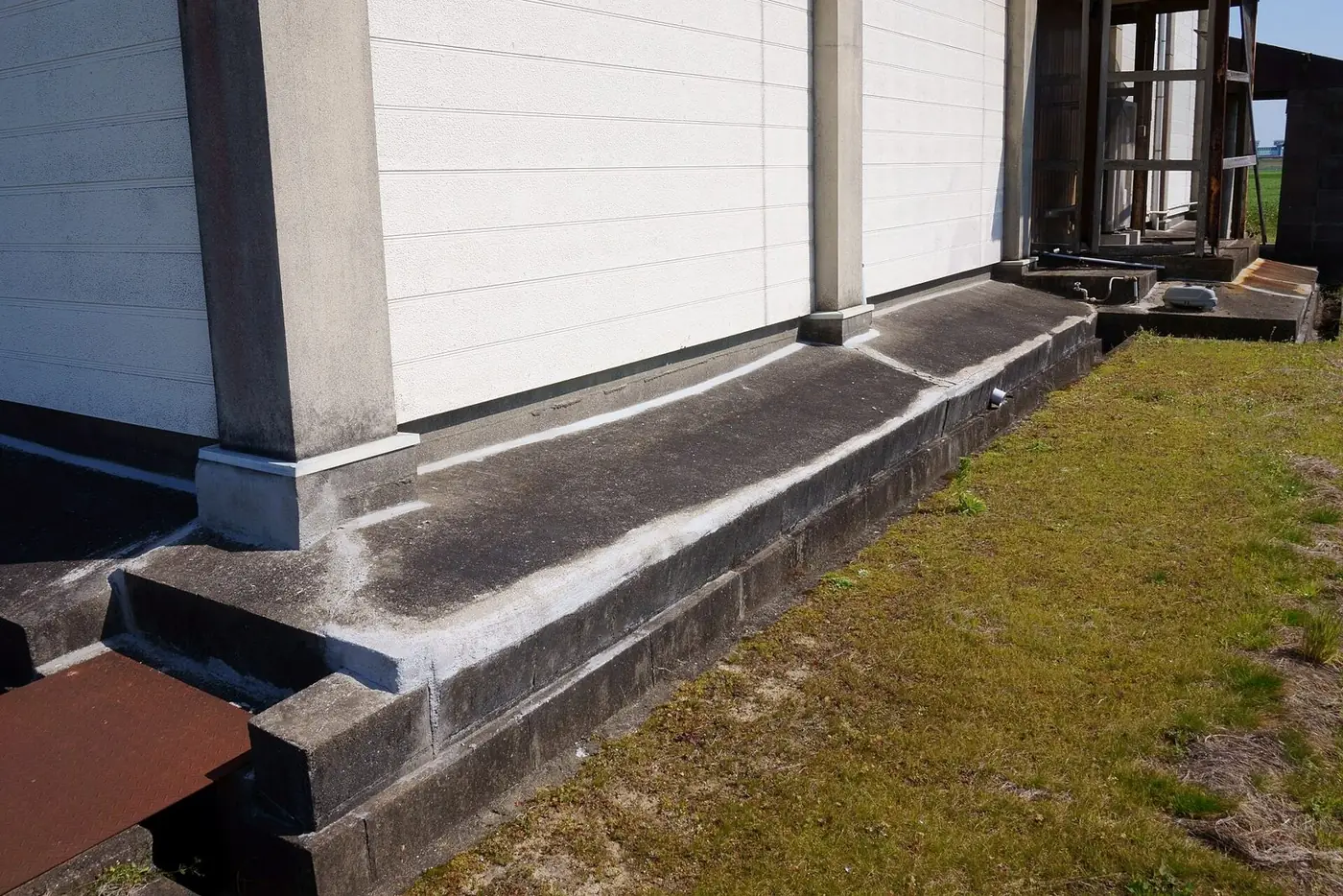
A crack is a symptom
Most cracks don't threaten a foundation's structure, in the Texas Section ASCE guidelines' assessment. Cracked drywall, brick and concrete are on their list of things that may point to a foundation problem, but noticing them doesn't settle whether the foundation is actually underperforming. The deciding questions are whether the crack is growing and what else is changing around it. Our warning signs page covers the pattern to look for.
Shape and size
HomeGuide's crack repair guide sorts cracks into groups. Hairline cracks under 1/8 inch are often cosmetic, though worth sealing and watching. Wider than 1/8 inch, or horizontal and longer than 12 inches, it treats as red flags for a professional look. Horizontal and stair-step cracks fall in its structural category.
Repair methods
- Epoxy injection suits stable cracks that have stopped moving, HomeGuide says. The ASCE guidelines use it on slab cracks roughly 1/32 inch or wider, to bring back stiffness across the break.
- Polyurethane injection is HomeGuide's pick for cracks that still move with the seasons.
- Sealant is enough, in the ASCE guidelines' view, when the only aim is keeping out moisture and insects.
- Carbon fiber strips reinforce a cracked wall, at $900 to $2,000 or more per crack in HomeGuide's figures.
Prices
HomeGuide puts non-structural crack repair at $250 to $800 or more per crack, minor structural cracks at $1,000 to $5,000 or more, and major structural cracks at $10,000 to $30,000 or more. Angi's August 2026 guide lists crack repair at $250 to $800. The bigger numbers usually mean the crack is part of a pier or leveling job, not a repair on its own.
On McKinney's clay
The Texas Water Development Board describes Houston Black, the state soil, as a clay that swells and shrinks as it wets and dries. A crack that opens through a dry summer and closes after the fall rains may simply be following the ground. One that only gets wider deserves an engineer's evaluation, and if the fix involves leveling or piers, McKinney's permit rules apply.
Brick in historic districts
McKinney's Historic Preservation FAQ lists removing historic masonry among the exterior changes that need review. Routine maintenance isn't restricted if it doesn't change the structure, materials or features. If a crack repair on the outside of a historic house means replacing brick or changing mortar, ask the Historic Preservation Office first. See historic district homes.